Home ⟩ GTK ⟩ The Layman’s Sample Practice and General Information on Geology ⟩ Explore the World of Geology ⟩ Finland’s national stone and provincial stones

Finland’s provincial stones were democratically selected by a majority vote in 1989. In the summer of 1989, the Finnish Tourism Association and Geological Survey of Finland organised a selection campaign, in which the Heureka Science Center, Tapiola Group, Finnish Natural Stone Association and Tiede magazine participated.
After careful consideration, three candidate stones were selected for each province and the public was allowed to vote for them. Voting took place at the offices of the Tapiola Group, the Heureka Science Center or by post. The provincial stone candidates were shown at polling stations as rock collection displays and/or as a list of the candidates with accompanying photographs. The number of ballots cast was 22,132. The stone receiving the most votes was selected as the provincial stone of the province in question. However, no vote was held for the national stone. The jury nominating the candidates declared that granite is rightfully the national stone of Finland.
The next time Finland’s national stone and provincial stones came up was in 1993. Architects Reima and Raili Pietilä, the designers of the Official Residence of the President of the Republic of Finland, Mäntyniemi, wanted to construct a stone circle made up of provincial stones on the residence grounds.
The Finnish Confederation of Provinces (now known as the Association of Finnish Local and Regional Authorities) decided to donate the Finnish national stone and the provincial stones from each region to Mäntyniemi. The Geological Survey of Finland was tasked with finding and collecting the representative provincial stones.
Before the stones were placed on the Mäntyniemi grounds, they were shaped to fit the landscape of Mäntyniemi and a polished ‘window’ was cut into them, allowing people to peek inside and see the internal structure of the stone. The provincial stones were donated to the President of the Republic in the summer of 1994.
The current functional-economic division of regions was established by Government decision in 1992. It was further revised in the summer of 1997, when Itä-Uusimaa split from the Uusimaa region and the Vaasa Coastal Region was renamed Pohjanmaa/Österbotten.
In 1998, the Finnish Government changed the name of two regions: Häme became Kanta-Häme and Savo became Pohjois-Savo.
The provincial stones of the new regions were collected in the summer of 1997 and presented to the President of the Republic of Finland at Mäntyniemi in the autumn of 1998.
More than half of the bedrock in Finland consists of different types and different ages of granite. It can very well be said that granite is rightfully the national stone of Finland.
Granite is a hard and durable type of stone. Its appearance varies greatly in terms of colour, grain size and texture. Red is the most common colour of granite, but grey, brown, green-toned and even blue-toned granites are also commonly found. The grain size of granites ranges from less than 1 mm to more than 10 cm. Granites may have an even-grained or porphyritic structure (containing crystals larger than the groundmass).
Rapakivi granite, which is the most excavated building stone in Finland, comes in a very wide variety of types, both in terms of colour and structure. Because of their consistency, regular grain texture and beauty, granites are traditionally used in the construction of buildings and monuments.
The National Museum of Finland, Finnish National Theatre, Helsinki Central Station, Parliament Building and Graniittitalo Building are good examples of using granite as a building stone.
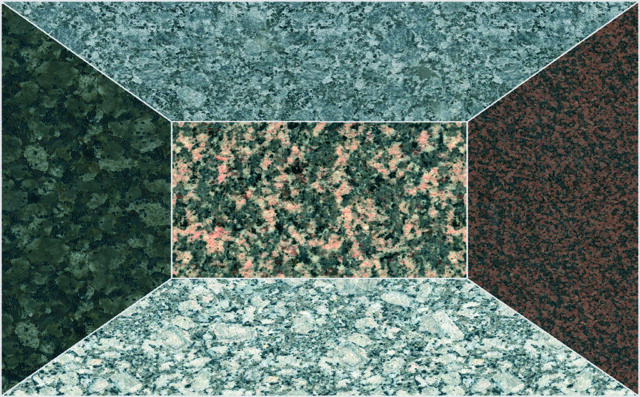
The image shows samples of Finland’s national stone in different colours and/or structure. The image in the middle is Kalvola granite, which was used in the construction of the Parliament Building and its annexe, on both the interior and exterior.
Provincial stones comprise a very wide variety of stones and minerals. They include some of the most common types of stone found in Finnish bedrock, such as granite and gneiss. As many as three regions have chosen granite as their official stone.
There are also very rare types of stone, such as kärnäite, which is formed by a meteorite impact, and the unique orbicular granite.
Fossil limestone (450 million years old) is one of the younger types of stone found in Finland, while greenstone (2,800 million years old) is one of the oldest. Provincial stones also include the most commonly excavated industrial minerals, apatite (800,000 tonnes per year) and calcite (3.3 million tonnes per year) as well as the most important building stone type in Finland, rapakivi granite.
One of the provincial stones is a highly sought-after mineral ore used as a material for jewellery – gold. Beautiful stones suitable for making jewellery include Finland’s most important gemstone, spectrolite and graphic granite, which piques the curiosity of experts in Arabic writing.
Hornblende is a dark green, rectangular mineral with a sparkling, schistose surface. After black mica, it is the most commonly occurring dark mineral in Finnish bedrock. Hornblende is part of a large group of inosilicates called amphiboles. It is the primary mineral present in various black rock types that are common in the area between Hyvinkää and Karkkila. The black granites of Hyvinkää have been excavated for use in the construction of monuments. Stones rich in hornblende are renowned as an excellent sauna stove rocks.
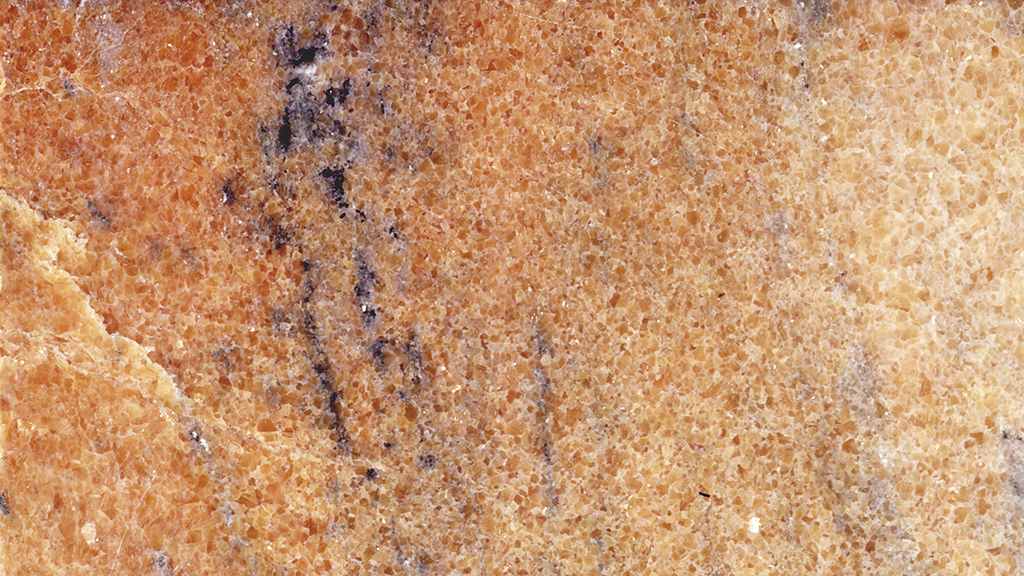
There have been several limestone quarries in Sipoo since at least the 17th century. During the construction of Suomenlinna, large amounts of limestone were excavated for the production of mortar.
Finland’s first cement factory, which operated in Kerava between 1869 and 1894, got its limestone from the Martinkylä quarry in Sipoo. Large-scale production began in 1939 at Kalkkiranta in Sipoo. The mine produces agricultural and fodder lime, fillers, etc. The colour of limestone varies from white to salmon-red.
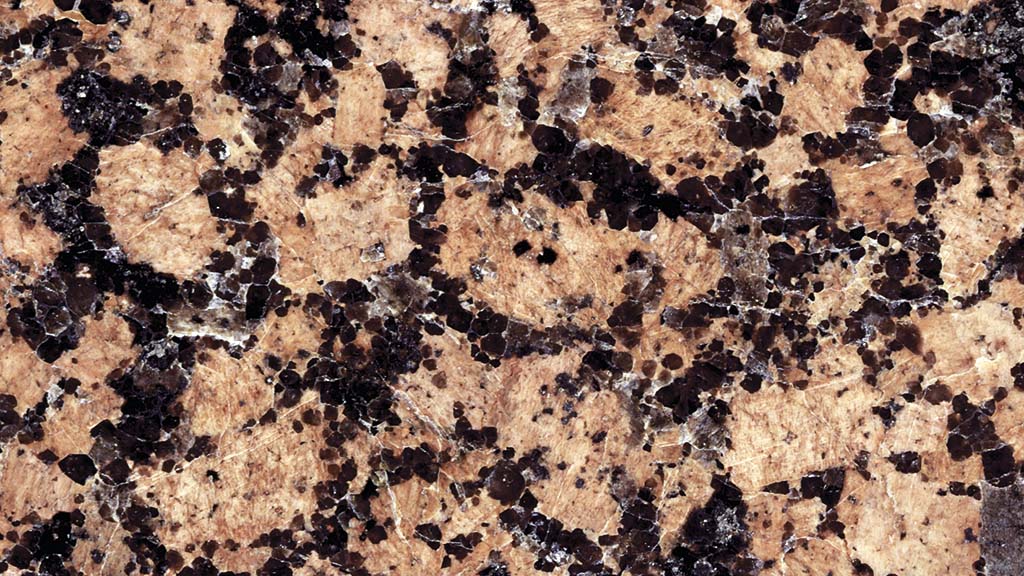
Southwest Finland has two large rapakivi granite areas, Vehmaa and Laitila, each with a diameter of 40-50 km, along with numerous small deposits 1-5 km in diameter. The most common type is a brownish rapakivi granite with a porphyritic structure.
Red, even-grained rapakivi granite is only found in Vehmaa and Taivassalo. The more well-known and expensive of these is the Vehmaa red granite, whose export to England began already in 1901 under the trade name Balmoral Red.
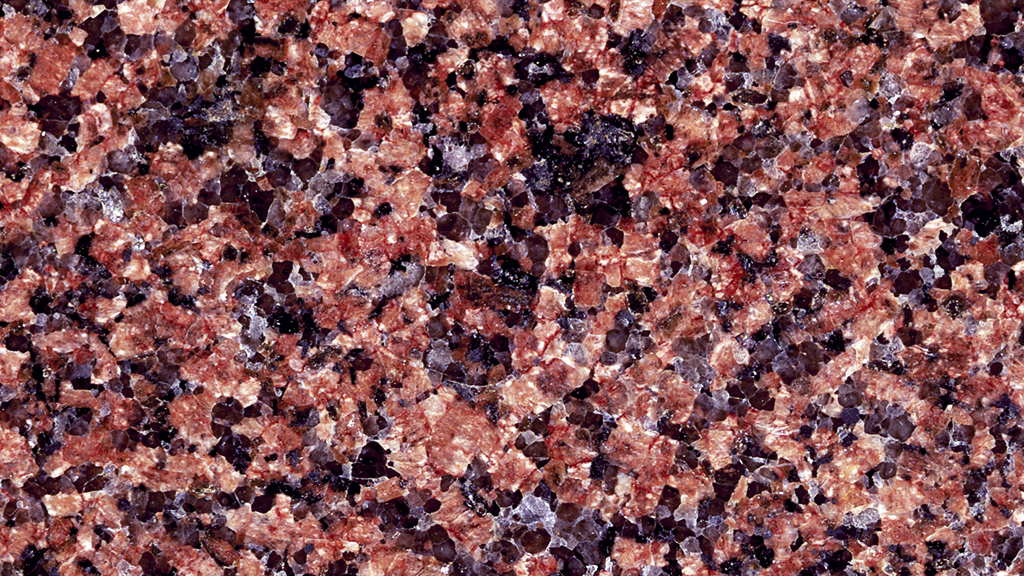
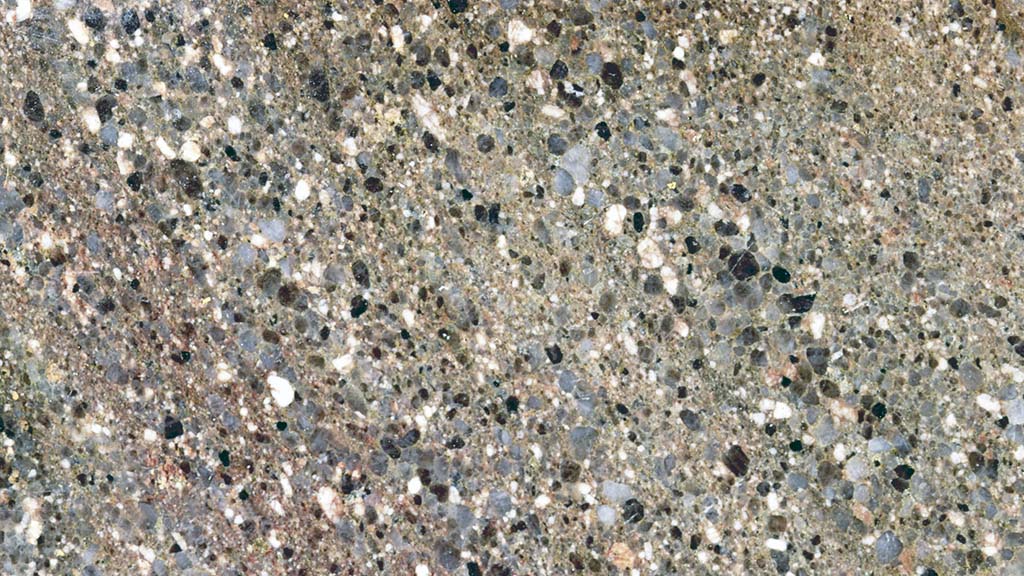
After the formation of large rapakivi granite masses approximately 1,400 million years ago, the bedrock sank slowly in what is now the Satakunta area. A rift more than 100 km in length, 20-30 km wide and as much as 1 km deep in some parts was formed over a period of approximately 200 million years.
Rivers carried material eroded from the surrounding mountains to the base of the rift valley, where it agglomerated and formed into sandstone and shale over time. Sandstone has almost horizontal strata and fractures easily. There are just under 30 known outcroppings.
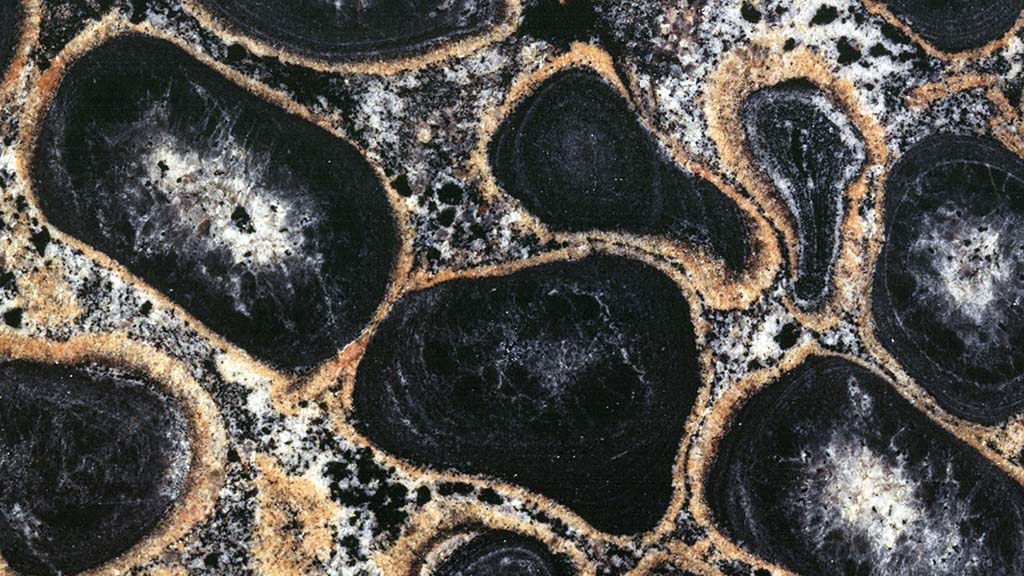
Orbicular granite is a plutonic rock with a unique structure. In addition to the concentric orbicules surrounding its core, it has a spoke-like radial structure. The overall composition of orbicular granite varies in the same way as plutonic rock does: it can be a granite, diorite, gabbro, peridotite, etc.
All occurrences are small, encompassing only a few square metres or a few acres at most. There are 10 known occurrences of orbicular granite in Pirkanmaa: five bedrock deposits and five boulder fields. Orbicular granite occurrences are usually protected, but Kuru orbicular granite (pictured) can be purchased as counter tops or small items.
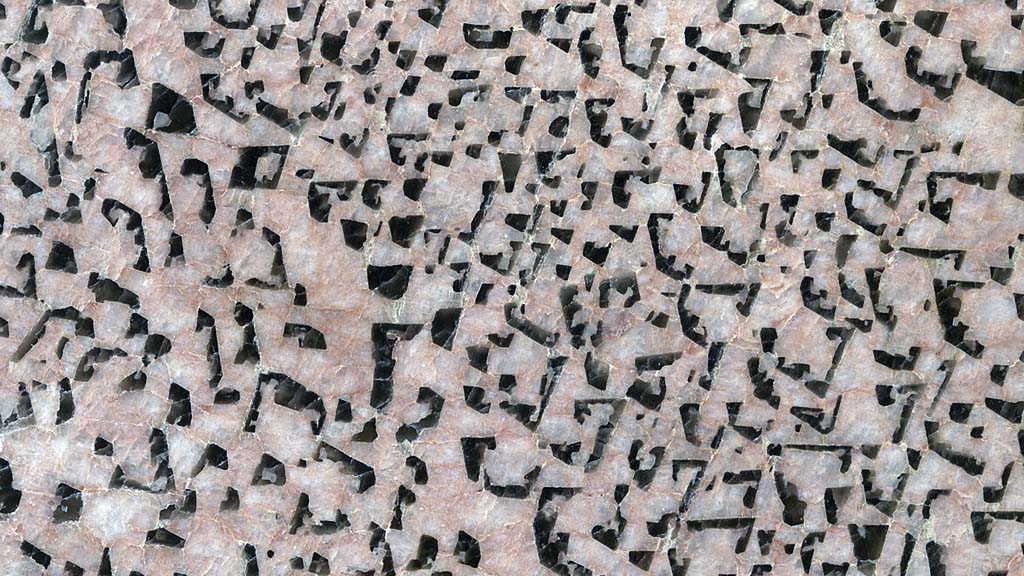
Coarse-grained pegmatites veins are crystallised in the final stages of the crystallisation of granitic plutonic rock. The primary minerals in these are feldspar, quartz and mica. Minerals formed by rare elements may also be present.
Quartz and feldspar occur in pegmatites not only as individual crystals but also as graphic granite. The composition of graphic granite is 27% quartz and 73% orthoclase feldspar. The dark quartz forms a three-dimensional network inside the feldspar, whose cross-section resembles Arabic writing.
There are approximately 50 diabase dikes in the Päijät-Häme region. They are part of the diabase dike swarm that extends from Kuru to Suomenniemi. Fracturing of the earth’s crust and volcanic eruptions preceded the penetration of rapakivi granite masses into the earth’s crust.
Many of the diabase dikes are several kilometres long and tens of metres wide, with some being even over 100 metres wide. The larger dikes are thought to be volcanic lava channels. The layering of minerals inside gives diabase a strong structure and makes it an excellent sauna stove stone.
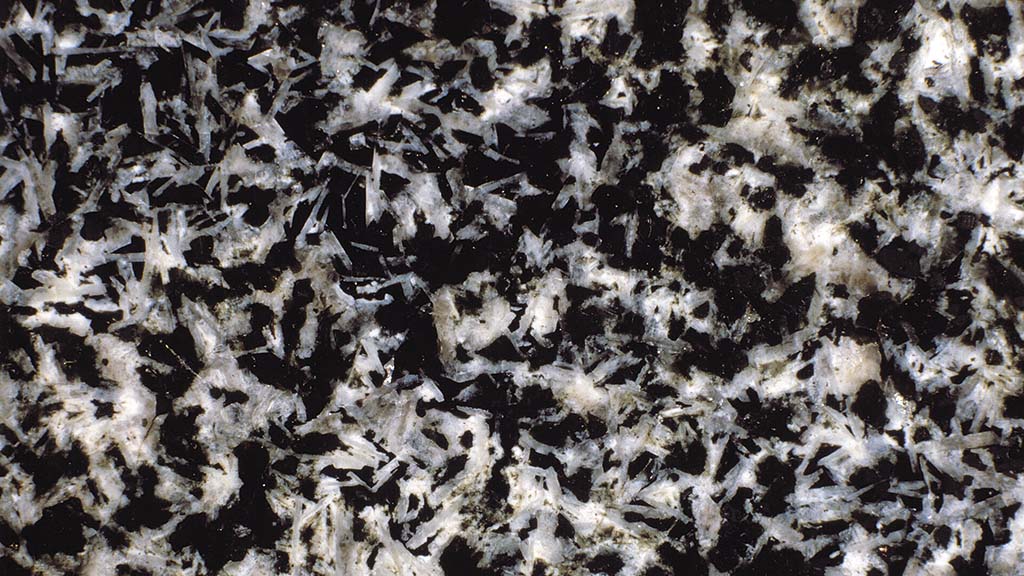
Half of the Viborg rapakivi granite is located in the Kymenlaakso area. The most common type of rapakivi granite is viborgite, in which red or brown spheres are surrounded by a greenish feldspar ring.
The provincial stone of Kymenlaakso is a less frequently occurring red, coarse-grained type. It has red feldspar spheres, but no greenish rings around them. Red rapakivi granite is quarried in Kotka, Anjalankoski and Virolahti, where the export of Finnish building stone began in the 18th century.
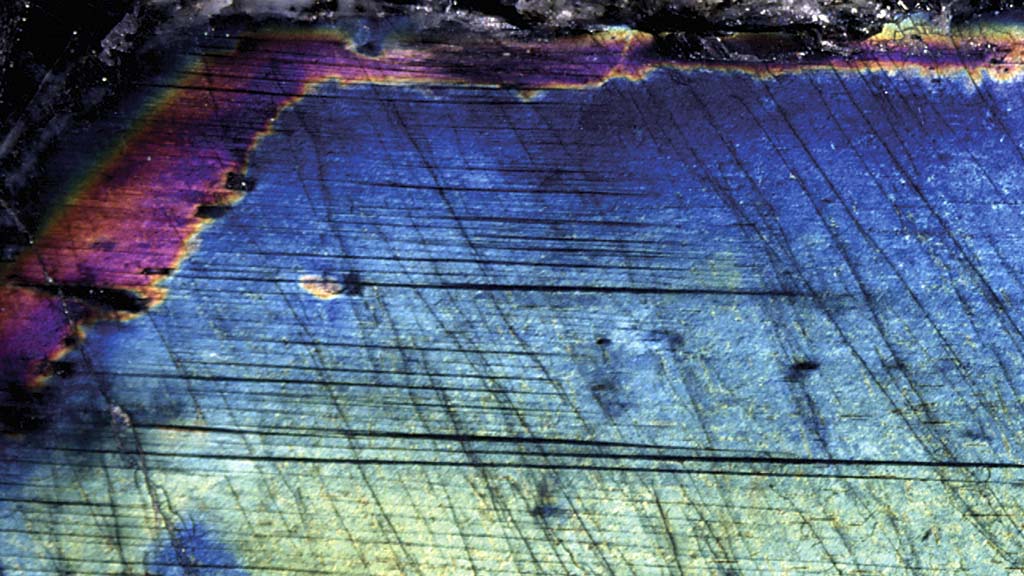
Spectrolite is the gemstone name of plagioclase feldspar, which glows with all the colours of the rainbow. The optical colour phenomenon occurs when the feldspar is composed of extremely thin lamellae. The light waves reflecting off the surfaces of the lamellae interfere with each other. Areas with thick lamellae are red and areas with thin lamellae are blue.
The highest-quality spectrolite deposits are located in Ylämaa, where spectrolite was found in the 1940s. Excavation began in the 1950s, and spectrolite has gradually become Finland’s most well known and important gemstone.
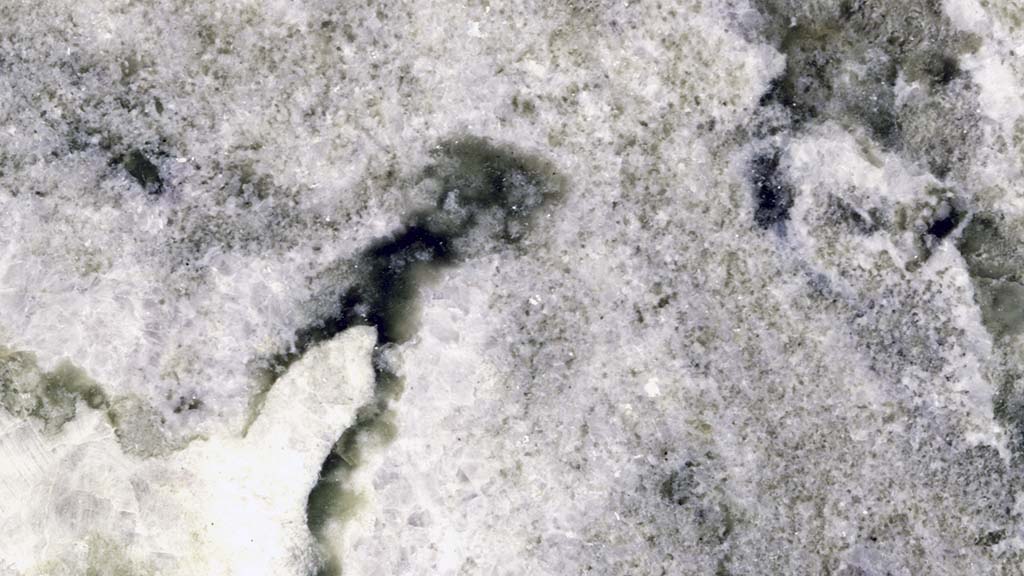
Marble refers to recrystallised carbonate minerals, calcite or dolomite. In South Savo, marble occurs in the Jäppilä-Joroinen, Savonlinnan-Kerimäki, Virtasalmi and Montolan-Annennenne areas. In Kerimäki and Virtasalmi, marble has been extracted for lime burning to use as agricultural lime and fillers.
Ankele marble has also been used as building stone, floor tiles and wall tiles. The colour variation in Ankele marble is caused by a greenish serpentine mineral.
Soapstone is a soft (can be scratched with a fingernail), slick, greenish or bluish grey, fine-grained shale. Outdoors, the surface colour gradually turns a yellowish tone. Soapstone is composed of talc and carbonate. It also contains a small amount of serpentine and chlorite.
All of the major soapstone deposits are found in Eastern Finland. The production of soapstone is centred in Juuka, Polvijärvi, Kuhmo and Suomussalmi. Its high workability and durability have made soapstone a popular material for fireplaces, statues and façades.
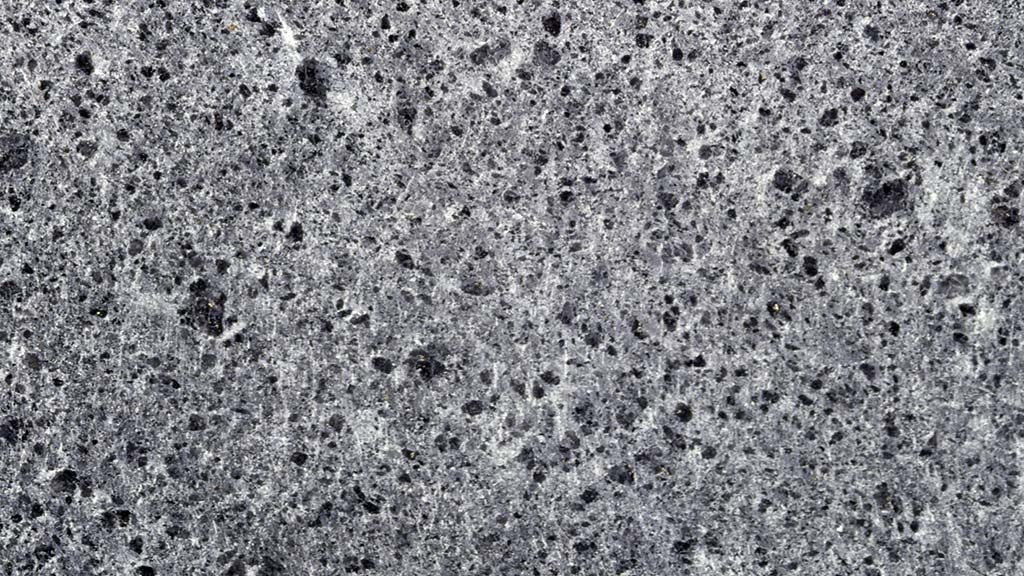
Phosphorus is an essential nutrient for both plants and animals. Apatite is the most common phosphorus mineral found in the earth’s crust. Small amounts of apatite occur in just about every type of rock.
Even though the Siilinjärvi apatite deposit is large in size, its concentration is low. The roughly 15 kilometre long ore body has an apatite concentration of approximately 10%. The largest mine in Finland has operated there since 1979, with an annual mining volume of 10 million tonnes.
Apatite concentrate is used as a raw material by the neighbouring fertiliser and phosphoric acid plants. Its by-products are mica and agricultural lime.
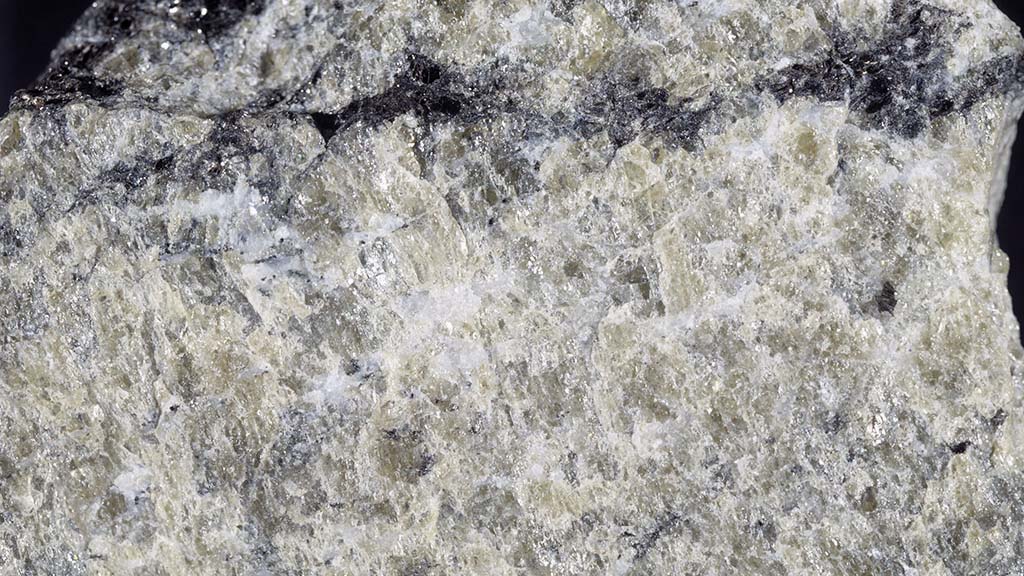
Similar in structure to granite, diorite is a plutonic rock, 2/3 of which is feldspar and 1/3 dark minerals. The feldspar is sodium-rich plagioclase. Hornblende is the most abundant of the dark minerals. The rock is also composed of pyroxene and biotite, and may, in some cases, also contain quartz.
When polished as a slab, diorites are almost black in colour, with dark minerals appearing as black spots. Diorites have been extracted for use as building stone in Viitasaari, Korpilahti and the Jyväskylä area.
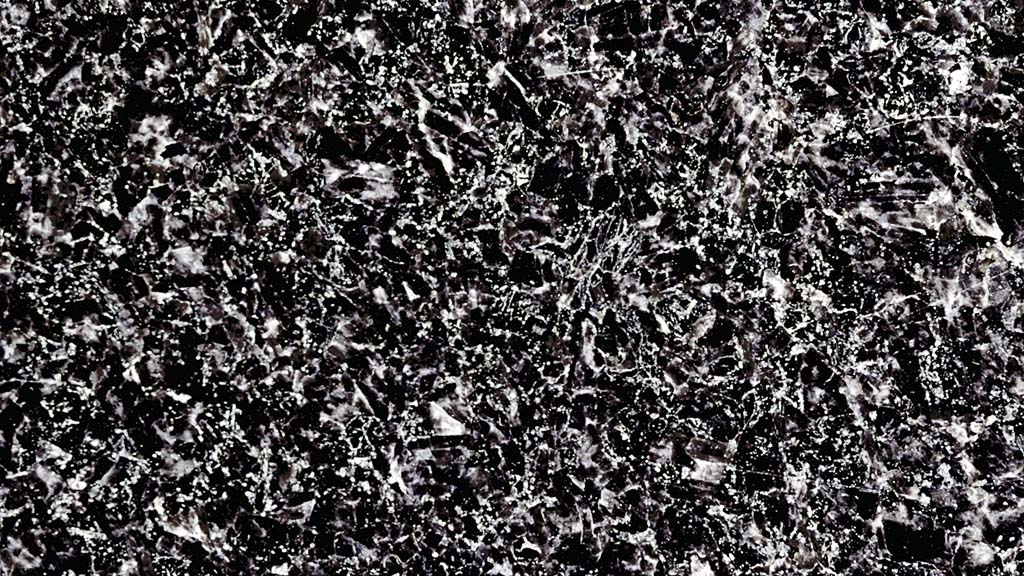
Approximately 73 million years ago, a meteorite approximately 1/2 km in diameter impacted the earth where Lake Lappajärvi is today. The impact instantly crushed, melted and vaporised both the meteorite and bedrock, resulting in a crater 17 km in diameter.
Kärnänsaari Island, which is made of partially and fully melted rock – kärnäite – sits in the middle of the lake. It is surrounded by porous, crushed bedrock, in which there is an enormous bedrock aquifer.
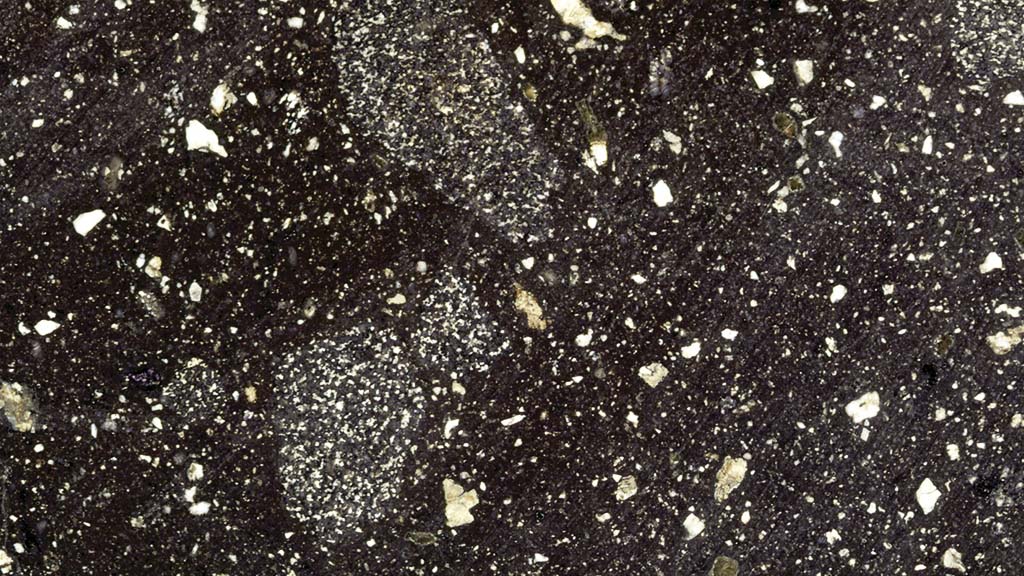
Vaasa granite is a grey porphyritic rock found in an area extending from Replot to Vörå and from Malax to Jakobstad. It commonly occurs in dikes and small deposits within the bedrock, and as erratic boulders the size of a house.
The stone is typically light grey in colour, with matchbox-shaped feldspar crystals, ranging in size from 3-4 cm to 10-20 cm. Vaasa granite was once commonly used for building foundations and staircases. Vaasa granite was used to construct Finland’s oldest stone bridge, which is located in the municipality of Mustasaari.
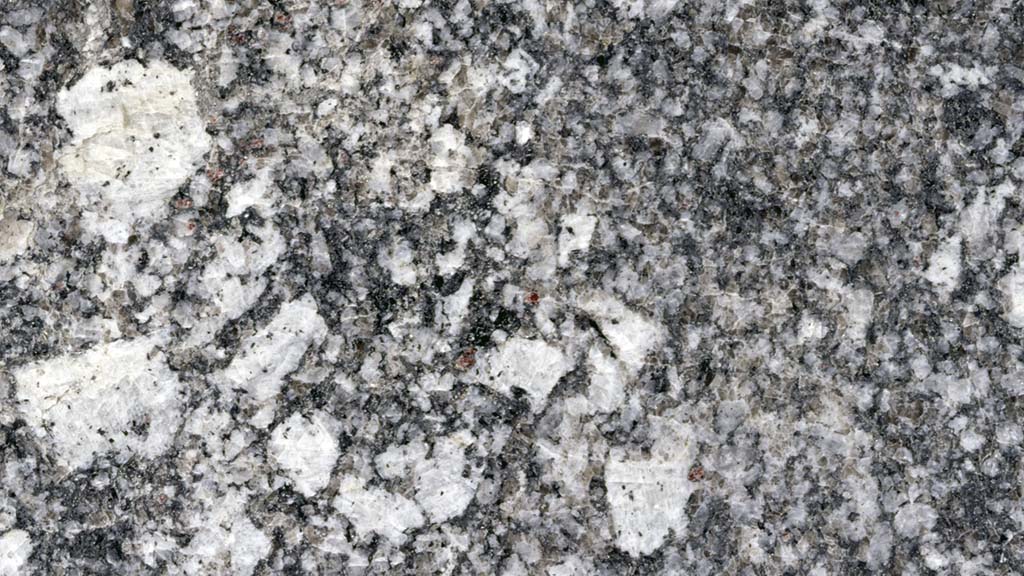
Gneiss is a foliated, coarse-grained rock, with alternating bands of flaky minerals and granular minerals. There are also veins of granite contained in the rock. Gneisses were formed from the erosion products of former mountain ranges, sands and clays rich in feldspar, carbonate rock or iron, or from volcanic eruption products, lava and ashes.
During formation of the mountain range, these materials ended up deep inside the earth’s crust, thus creating a gneiss-like structure.
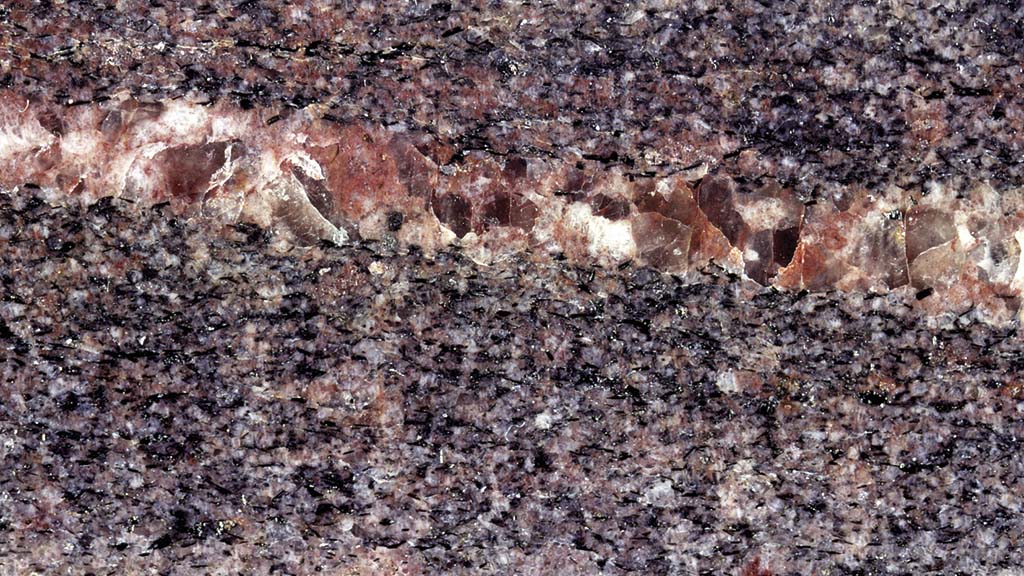
Schist refers to a rock type that contains a large quantity of mica. In the formation of a mountain range, planar minerals are compressed into parallel bands, similar to the pages of a book. Thanks to its structure, schist is easy to split into flat plates. In some cases, schists have been folded into corrugated plates that resemble roofing tiles.
The schist deposits in North Ostrobothnia are quite large in the area between Ii and Utajärvi as well as in Kuusamo. Schists are mainly used for garden paving stones, floor and wall tiles, and plinth cladding.
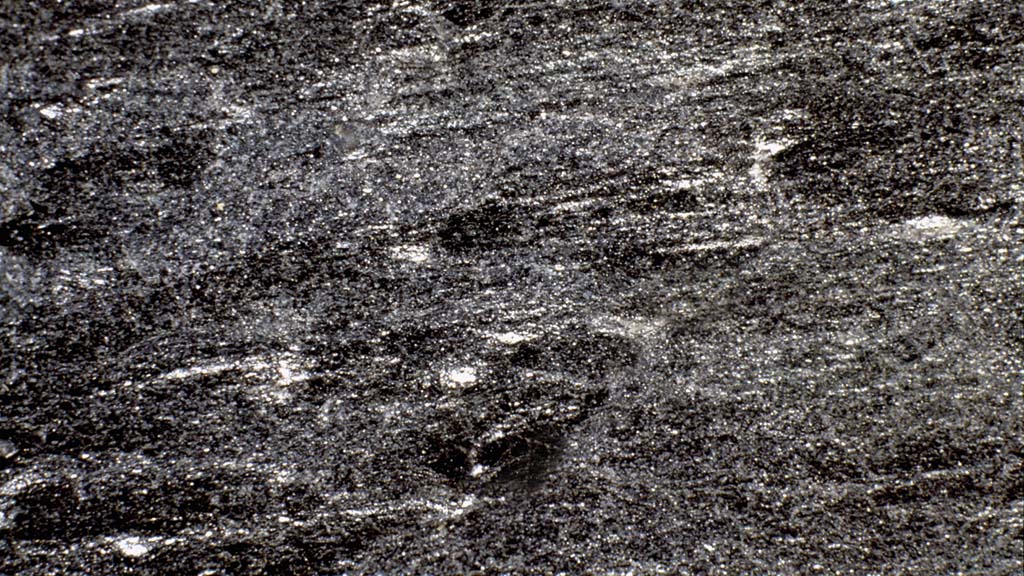
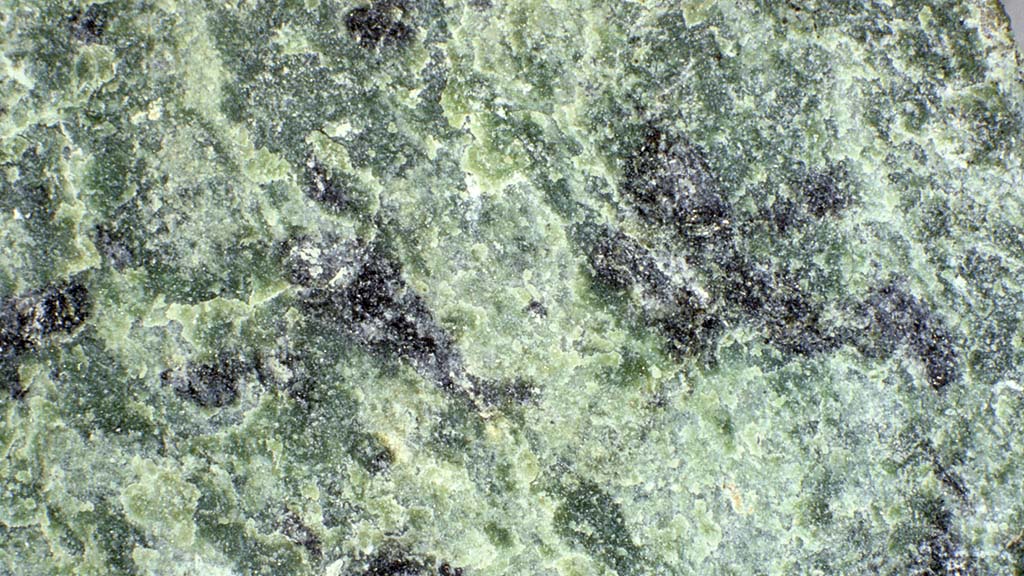
Greenstone is one of the oldest rock types in the world, dating back 2,600-3,100 million years. Greenstone is a common generic term for various rocks formed from a melt that crystallised, but later metamorphosed into a green, fine-grained rock.
In Finland, greenstone can be found in Central Lapland and Kuhmo. Kuhmo greenstone occurs in a 200 km long and 20 km wide belt. Significant iron, uranium, copper, nickel and gold ore bodies have been found around the world in connection with greenstone.
The history of gold panning in Lapland began in the 1870s on the Ivalojoki River. The focal point of shovel panning moved eastwards to Laanila and Tankavaara, and in 1945 to Lemmenjoki. Mechanical panning was already tried in the 1920s, but did not achieve any real success until the 1970s.
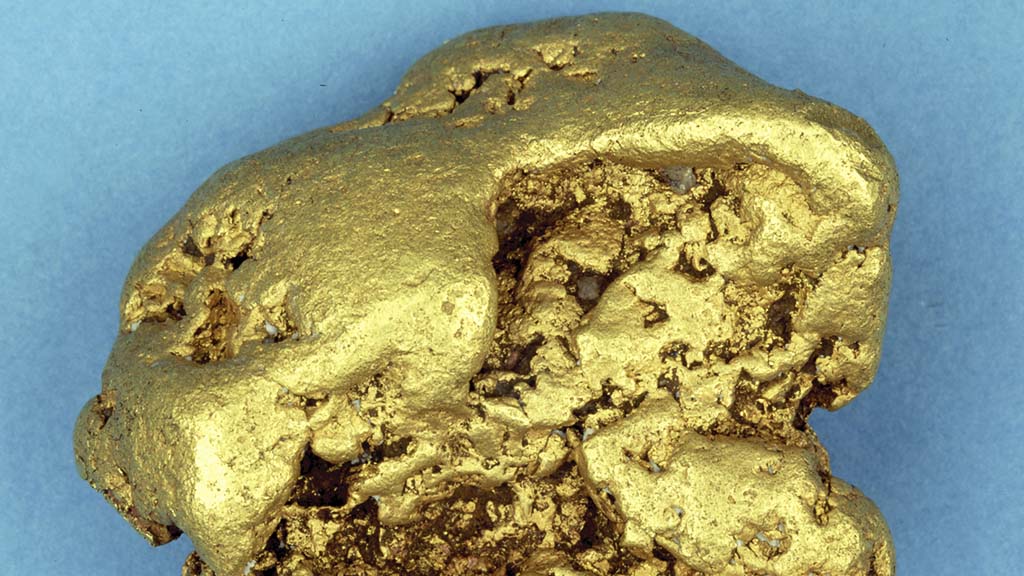
Prospectors searched for mother lodes a hundred years ago. The first gold mine in Lapland, Saattopora (1989-1995), yielded 4,620 kg of gold. Several promising gold deposits are currently the subject of research and development. The second largest gold nugget in Finland, Aleksi (385 g), is pictured here.
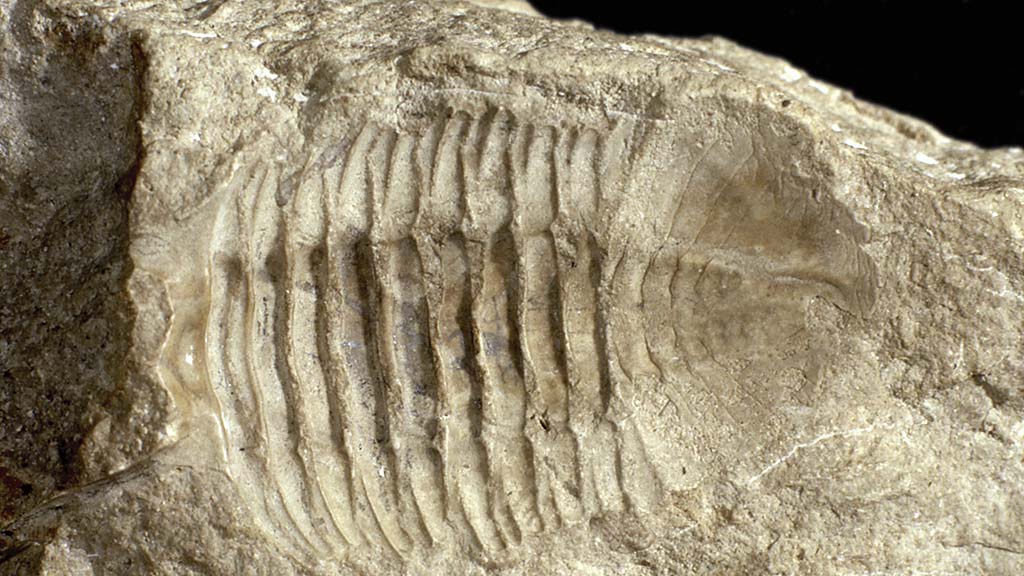
The sea was teeming with life approximately 470 million years ago, when Åland limestone was formed. The most common species were the arthropod trilobites, various gastropods, corals and orthocones. The surface of the sea was home to diatoms and animals, whose fossils can only be seen with a microscope.
Åland limestone can only be found as loose stones, most of which were once used to produce mortar. There is a meteorite crater in Lumparn Bay. The bottom of the crater contains limestone. A trilobite fossil is pictured here.