Study: Side Streams Show Potential for Use in Cover Structures at Extractive Waste Facilities
Extractive waste and industrial side streams could replace part of the virgin natural materials currently used in cover structures at extractive waste facilities, while simultaneously reducing environmental impacts. A review study conducted by the Geological Survey of Finland GTK shows that several side streams are suitable either as cover materials or as blending components in structural layers, provided that their performance and environmental safety can be reliably verified.
Large quantities of virgin natural materials are commonly used in cover structures during the closure phase of extractive waste areas. According to the study, the utilisation of side streams, extractive waste and circular economy materials is a technically and economically viable alternative to till, which is the most commonly used cover material. When materials are suitable for the intended purpose and available locally, their use offers benefits in terms of logistics, storage requirements, and the reduction of carbon dioxide emissions.
“The functional requirements of cover structures and their individual components are a key factor in material selection. The utilisation potential and environmental safety of side streams must be assessed through testing at different scales and on the basis of material balances,” says Rita Kallio, Researcher at GTK.
The study, carried out as part of the ERDF-funded SMARTTEST project, compiles information from field tests of dry cover structures conducted in Finland, Sweden, Norway, and Canada, in which extractive waste or side streams have been utilised. As peer-reviewed domestic research on the topic remains limited, the assessment is largely based on project reports and datasets published by research institutes and consult agencies.
Reliable assessment of cover structures requires field testing
A major challenge in utilising side streams is demonstrating their suitability in practice. Laboratory tests alone do not provide sufficient insight into the long-term behaviour of cover structures under real environmental conditions.
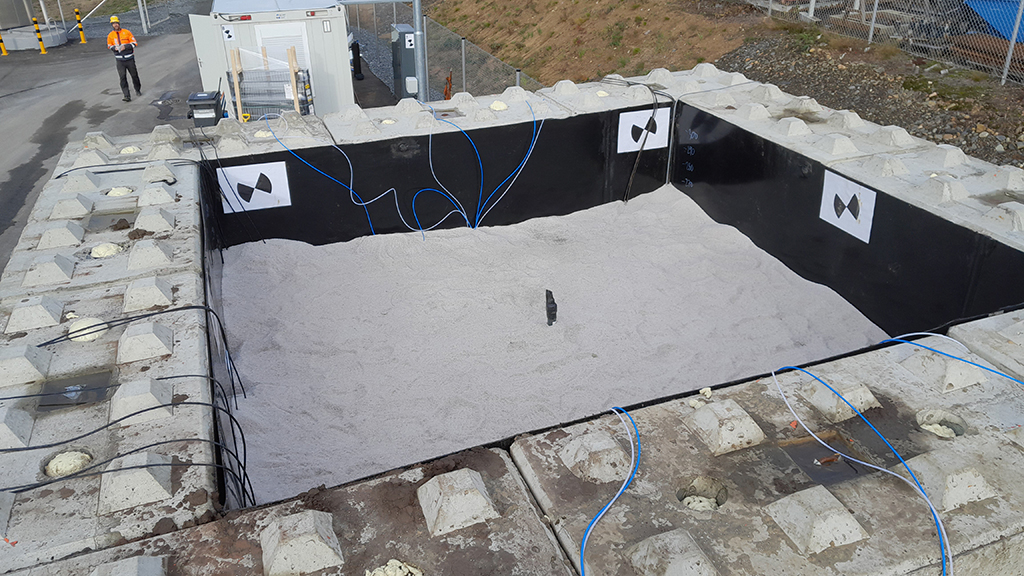
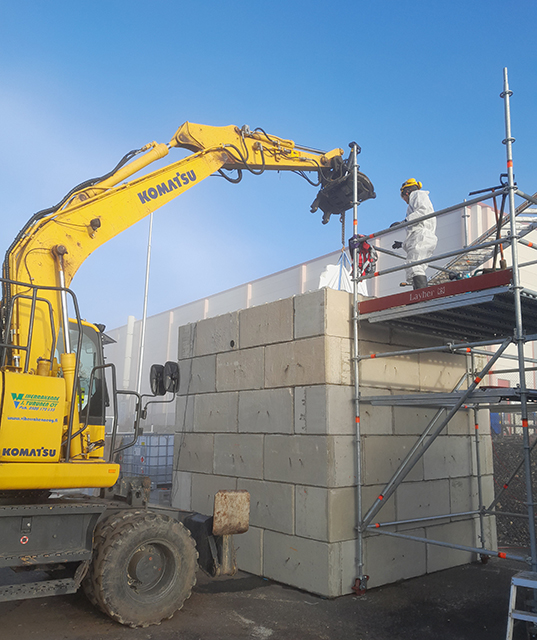
To address this challenge, GTK has developed a field-testing platform within the ERDF SMARTTEST project to assess the performance and long-term behaviour of extractive waste and side streams. Field tests make it possible to complement and validate findings obtained from laboratory studies.
Since the material volumes required for cover structures are substantial, making realistic assessments of material quantities, availability and potential utilisation sites are a central part of the planning process. In addition, the evaluation of material utilisation potential should be based on a risk-based approach that takes local conditions into account, particularly the effects of climate on the performance of cover structures.
The study provides an up to date overview of alternative cover solutions and the legislation governing extractive waste management. The results indicate that side streams and extractive waste have clear potential as materials for cover structures. However, their utilisation requires field testing, a thorough understanding of material properties and site specific design.
Further information
Rita Kallio, Researcher
Geological Survey of Finland GTK
rita.kallio@gtk.fi
Päivi Kauppila, Chief Expert
Geological Survey of Finland GTK
paivi.kauppila@gtk.fi
The Open File Work Report is available for viewing and download in GTK’s Hakku service (available in Finnish with English summary):
EAKR SMARTTEST – Kaivannaisjätealueiden peittorakenteet sekä sivuvirtojen hyödyntäminen ja hyödyntämispotentiaali peittorakenteissa
(ERDF SMARTTEST – Cover structures for extractive waste facilities and the utilisation and utilisation potential of side streams in cover structures)
About the SMARTTEST project
The SMARTTEST project (2023–2026) develops field testing methods for research into circular economy solutions and extractive waste management. The GTK SMARTTEST test field has been constructed in Outokumpu in connection with the GTK Mintec pilot plant, with funding from the European Union’s European Regional Development Fund (ERDF) and the Regional Council of North Karelia. Field tests enable, among other things, research into the utilisation of various side streams in cover structures at extractive waste facilities.
More information on the project website: SMARTTEST – Smart Circular Economy Field Testing Platform for Extractive Waste and Side Streams